Home
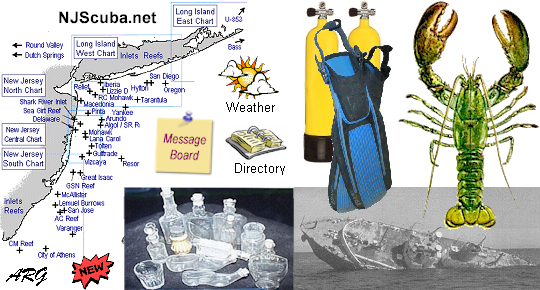
- Home ...
- Dive Sites ...
- Artificial Reefs ...
- Marine Biology ...
- Artifacts ...
- Gear & Training ...
- Blog ...
- Cozumel ...
Welcome to NJScuba.net, a website dedicated to exploring the New Jersey / New York region underwater -- "Wreck Valley". Here you will find information on dive sites, marine biology, artifacts and activities, gear and training, and many other subjects.
The menu changes depending on where you are. The search works very well - try it. The 'Random' link can take you anywhere. Pick a subject, and dive in !!!
You can easily get involved too - comments are open on all dive sites. Leave your trip reports and updates right there in the website. If you have something more you'd like to add, you can get in touch with me through the contact page.
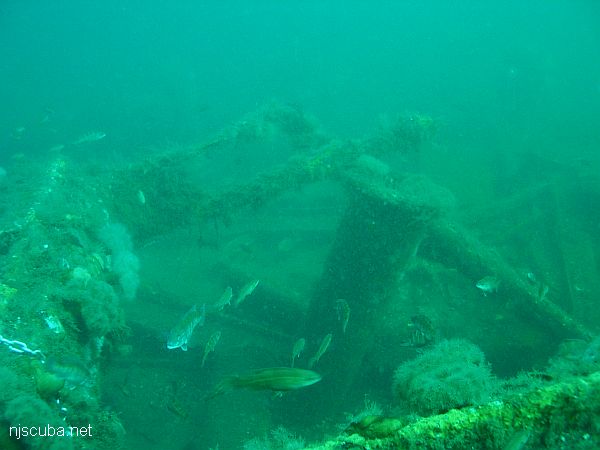
Beneath the Waves
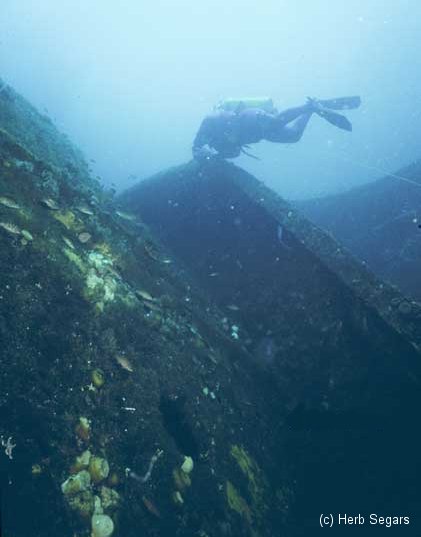
By Steve Nagiewicz & Herb Segars
Photography by Herb Segars
We have all watched television and marveled at the presentations of renowned underwater explorer Jacques Cousteau, or the movie fiction of Peter Benchley's "Jaws" or "The Deep." they have given us a glimpse into the strange underwater world that few of us get to explore. Yet how many of us have sat along the water's edge and wondered what mysteries must lie beneath the waves?
More: Why Dive in New Jersey? ...
While looking over an old hard drive, I found this newspaper article ...
Secrets of the Deep
The Times [Trenton]
01/13/02
By JEFF TRENTLY
Staff Writer
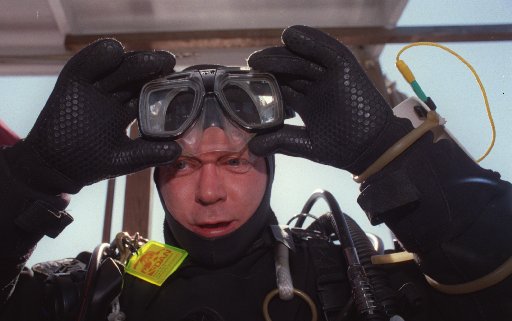
They peel off their shoes, strip off their socks, their shirts, their pants.
More: The Good Old Days ...